 VividPlay Arcade
VividPlay Arcade
VividPlay Arcade
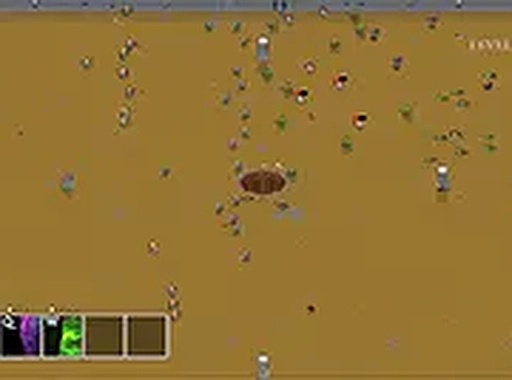
Enchanted Keep Defender combines unit deployment with real-time spell intervention, asking players to manage both a marching army and a champion's magical toolkit. The champion roster adds replay value by changing how each stage plays, while the upgrade system offers branching choices without overwhelming newcomers. Its clean 2D presentation and forgiving retry structure make it accessible to strategy players who prefer thoughtful pacing over frantic micromanagement. The main limitation is that the source material does not detail endgame content or enemy variety beyond general descriptions.
Enchanted Keep Defender asks you to think like both a general and a mage. Each stage begins with champion selection, and your choice shapes how you handle the battle ahead. Once combat starts, your units march forward on their own, engaging whatever they meet. Your attention stays on the larger picture: watching enemy composition, tracking spell cooldowns, and deciding the exact moment to intervene with magic. That split focus between passive troop movement and active spellcasting defines every match.
The champion roster is not cosmetic. Some champions summon additional troops, reinforcing your line when numbers matter most. Others bring area-of-effect spells that clear clusters of enemies, while a third group leans on defensive buffs to keep frontline units alive longer. Because you can switch champions freely between stages, the game encourages testing different approaches rather than locking into one favorite. A stage that punishes slow damage output may reward a different pick than one that overwhelms your troops with sheer volume.
After each stage, you choose between army enhancements and spell improvements. Army upgrades affect unit health, attack speed, or movement rate. Spell upgrades might reduce cooldowns, raise damage, or add secondary effects like slowing enemies. No single build dominates every situation. The upgrade system is simple enough for newcomers to grasp quickly, but the branching paths reward players who plan ahead based on what they expect to face next.
The game uses a clean 2D art style with a soft, magical color palette. Environments range from lush forests to crystalline caverns, and enemy designs are varied enough to identify threats at a glance. The interface keeps health bars and spell cooldowns visible without clutter. Full-screen mode is available, and controls are optimized for mouse and keyboard on desktop. Early stages introduce concepts one at a time, while later stages demand faster decisions. Failure is not punished harshly—you can retry a stage as many times as needed, and each attempt teaches you something about enemy patterns or your own strategy.
Sign in to comment
You must be logged in before posting a review or rating.
No comments yet. Be the first to comment!










Editorial Notes