 VividPlay Arcade
VividPlay Arcade
VividPlay Arcade
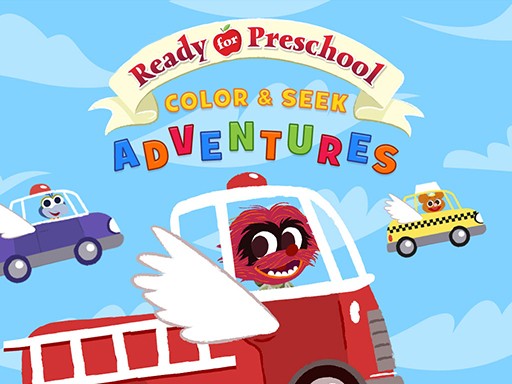
Color Seek Adventure Game delivers exactly what its name suggests: a gentle flying adventure where young children match colors to restore paintings. The controls are minimal, the visuals are bright, and the lack of text makes it accessible to non-readers. Its main strength is a stress-free design that encourages repeated practice. The limitation is that it targets a very narrow age range; older kids will outgrow it quickly. For parents seeking a safe, educational first game, it fits the purpose well.
Color Seek Adventure Game is an online educational game built for toddlers and preschoolers. It focuses on color recognition and hand-eye coordination through a simple flying adventure. Players control a car that flies through colorful locations. The goal is to collect items that match the car's current paint color. Each correct pickup restores color to a painting somewhere in the world. The game uses bright visuals and clear instructions, making it accessible even for children who cannot yet read. [IMG_1]
The core mechanic is straightforward: the car has a specific color, and the scene contains items of various colors. Players must move the car over only the items that match its paint. Collecting a wrong-colored item does not help restore the painting, so children must observe carefully before moving. This turns each level into a gentle observation exercise. The car flies freely, so players can scan the area and plan their route. There is no time pressure, which keeps the experience stress-free for young players. [IMG_2]
Color Seek Adventure Game uses mouse or touch controls. On a computer, moving the mouse guides the car; on a tablet or phone, a finger drag does the same. The interface relies on visual cues rather than text, so non-readers can understand what to do. The game avoids complex menus or button combinations. This simplicity is intentional: it lets preschoolers play independently with minimal adult help. Parents looking for a safe, ad-free introduction to online gaming will find the design appropriate for early childhood. [IMG_3]
As players restore paintings, the game introduces new color challenges. Each level presents a fresh scene with different color combinations. The progression is gentle, reinforcing color names and matching skills without quizzes or scores. Over time, children practice distinguishing similar shades and improving their reaction time. The game does not punish mistakes harshly; instead, it encourages repeated attempts. This makes it suitable for home use, preschool classrooms, or quiet play sessions. The educational value comes from repetition and visual feedback rather than explicit teaching.
Sign in to comment
You must be logged in before posting a review or rating.
No comments yet. Be the first to comment!









Editorial Notes