 VividPlay Arcade
VividPlay Arcade
VividPlay Arcade
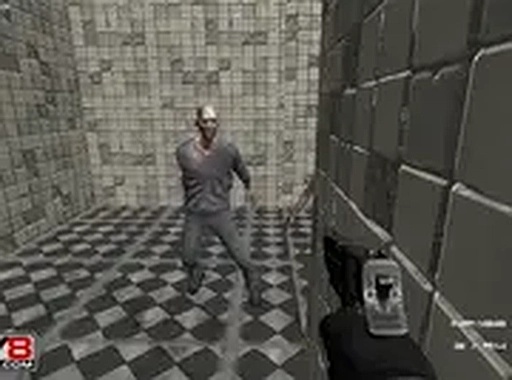
Survival Action Quest keeps its scope tight: clear creatures from a zone, unlock the next, repeat. That simplicity works because the game lets you avoid or confront threats, turning each area into a small strategic problem. Desktop-only keyboard and mouse controls suit the responsive aiming the game asks for. The main limitation is that browser play ties it to a computer, so it is not a mobile option. Players who enjoy planning around roaming creatures will get the most from it.
Survival Action Quest drops you into areas populated by persistent creatures that roam freely. Your single goal in each zone is to eliminate every creature to unlock the next area. This creates a clear loop: assess the zone, decide how to deal with each threat, and move on only when the area is clear. Because creatures stay active rather than waiting in set positions, you cannot treat any zone as a static checklist. The game rewards players who read the space before committing to a fight.
Not every encounter has to become a battle. You can slip past creatures or take them on directly, and that choice shapes how a zone plays out. Avoiding threats conserves your options but may leave you boxed in later; confronting them clears space but demands timing and aim. The tension between these two approaches is the core strategic layer. Keyboard and mouse controls keep movement and targeting responsive, so decisions translate quickly into action.
The game is built for desktop computers and runs directly in a browser, so there is nothing to download or install. Performance is smooth on a laptop or desktop, and a full-screen mode is available for a wider view of the action. Being browser-based makes it easy to start a session, but the design clearly assumes a mouse and keyboard rather than touch input. [IMG_1]
Creature behavior follows patterns you can learn. Watching those patterns before engaging lets you anticipate movement and pick better moments to strike. The environment is a tool: cover and narrow spaces can limit how many creatures reach you at once. Rushing into unexplored parts of a zone tends to create avoidable danger, while patient observation reveals threats early. When frustration builds, stepping away often improves the decisions you make on return.
Sign in to comment
You must be logged in before posting a review or rating.
No comments yet. Be the first to comment!







Editorial Notes