 VividPlay Arcade
VividPlay Arcade
VividPlay Arcade
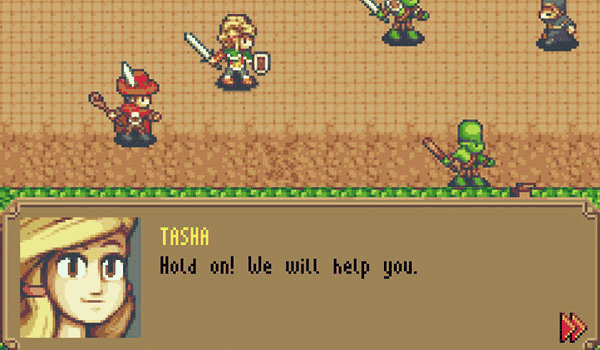
Tactical Card Quest Chapter 3 stands out for its thoughtful integration of logic and strategy. The game avoids violence by framing challenges as obstacles to overcome rather than enemies to defeat. Its cooperative focus makes it a great choice for family game nights, while the progression system keeps solo players engaged. The colorful visuals and gentle learning curve ensure accessibility without sacrificing depth. This is a rare strategy game that educates while entertaining, appealing to both casual players and those seeking a mental workout.
In Tactical Card Quest Chapter 3, players begin by selecting a party of characters, each bringing distinct strengths to the group. Some characters may excel at defending, while others offer support or special abilities. The goal is to create a balanced team that can handle a variety of situations. This setup encourages players to think about how different roles work together, promoting cooperation and strategic thinking from the start.
The core of the game revolves around a deck of cards that players use during encounters. Cards might include protective barriers, restorative items, or tactical maneuvers. Each card has a specific effect, and players must decide when and how to use them most effectively. The game may require calculating the best sequence of plays or considering probabilities, adding a layer of logical reasoning. This design keeps the experience engaging without relying on fast reflexes or mature themes.
As players advance through the adventure, they can unlock new cards and improve their existing ones. This progression system allows for customization, letting each player tailor their deck to their preferred style. Completing objectives might also reveal new characters or special abilities, providing a sense of accomplishment. The gradual increase in difficulty ensures that players are constantly challenged to refine their strategies.
The game emphasizes working together, whether with friends or family. Players can coordinate their card plays to support each other, combining abilities for greater effect. This cooperative element makes the game ideal for group play, teaching teamwork and communication. It also means that success often depends on how well players plan together, rather than individual skill alone.
The game features bright, colorful landscapes that create a welcoming environment. The art style is designed to be appealing to a wide audience, with friendly character designs and cheerful settings. This visual approach helps maintain a positive tone throughout the adventure, making it suitable for younger players while still engaging for adults.
By incorporating logic and planning into its gameplay, Tactical Card Quest Chapter 3 offers more than just entertainment. Players naturally practice skills like probability assessment, resource management, and sequential thinking. These elements are woven into the game in a way that feels natural, so learning happens through play rather than instruction. This makes the game a good choice for parents looking for screen time that also stimulates the mind.
Player Comments
Sign in to comment
You must be logged in before posting a review or rating.
No account? Create one
No comments yet. Be the first to comment!