 VividPlay Arcade
VividPlay Arcade
VividPlay Arcade
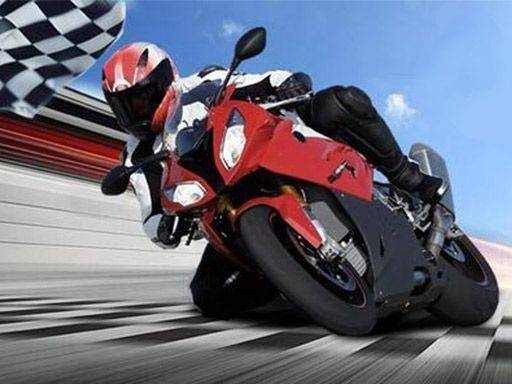
Precision Motorcycle Circuit Racing is built for riders who value realistic weight transfer and tire grip over arcade spectacle. The absence of multiplayer and tournament brackets keeps the experience centered on solo improvement. Its strength lies in how track conditions, bike upgrades, and the racing line interact. Players who enjoy methodical practice and shaving tenths off lap times will find the most value here.
Each circuit in Precision Motorcycle Circuit Racing has its own mix of curves, elevation changes, and surface conditions. Long straights reward top speed, while technical sections demand tight maneuvering. The visual design keeps the road ahead readable so riders can plan braking points and entry angles. Weather and time-of-day shifts can alter visibility and grip, so the same track may play differently across sessions. Learning each course's rhythm is necessary for consistent lap times.
The simulation emphasizes weight transfer and tire traction. Applying throttle too aggressively out of a corner can unsettle the bike, and late braking requires precise modulation to avoid losing control. As you progress, additional motorcycles become available, each with distinct power delivery, weight distribution, and stability. Upgrades such as improved suspension, better tires, or engine tuning let riders tailor a machine to specific tracks. Visual customization for rider gear and bike appearance is also included without affecting performance.
Players can run time trials against personal bests or compete against AI opponents in structured races. The scoring system rewards clean laps without crashes and consistent corner speed. Every race feeds into an overall record of best lap times, which encourages repeated attempts to shave off fractions of a second. There are no complex tournament brackets or multiplayer, keeping the focus on individual improvement and circuit mastery.
Success depends on locating the optimal path through every turn. Braking points, apex clipping, and exit speed all shape lap times. The physics model punishes abrupt steering inputs, so smooth transitions between acceleration, braking, and leaning are critical. Practice sessions help riders internalize the ideal line and build muscle memory. Over time, small adjustments to entry speed or body position can yield meaningful gains, making each lap a learning opportunity.
Sign in to comment
You must be logged in before posting a review or rating.
No comments yet. Be the first to comment!








Editorial Notes