 VividPlay Arcade
VividPlay Arcade
VividPlay Arcade

Ocean Escape Runner works because its rules are easy to grasp but hard to master. The octopus must cross a trap-filled bridge and reach the water with at least one limb, which turns every hazard into a genuine decision. Speed boosts add a risk-reward layer, and the short-session, cross-device design suits families and casual players. The main limitation is that the input describes only one core mode, so variety may be limited.
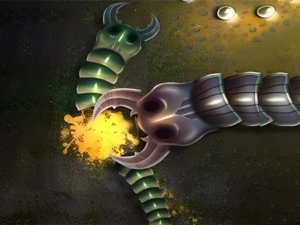
Ocean Escape Runner casts players as an octopus with a single objective: cross a long bridge packed with traps and reach the safety of open water. The path is not a straight sprint. Traps appear along the route and demand quick thinking and precise timing to avoid. Movement is controlled through simple touch or mouse inputs, so the octopus travels along the bridge with minimal commands. The challenge comes from reading the pattern ahead and reacting before a hazard connects.
Scattered items on the bridge increase the octopus's speed, which helps clear obstacles more efficiently. Speed is a tool, not a guaranteed shield. A faster run gives less time to correct a mistake, so collecting boosts early can pay off while still requiring careful navigation. The run ends when the octopus reaches the water, but only if at least one limb remains. That condition shapes every decision: players balance the urge to rush with the need to protect the octopus's body.
The design targets players of all ages and runs on computers, phones, and tablets. Sessions are short, the controls are simple, and the goal is clear, making it easy for beginners to start. Experienced players still face a challenge because trap patterns and timing demand practice. The family-friendly arcade format and cross-device support mean a run can fit into a few spare minutes on whichever screen is nearby.
Sign in to comment
You must be logged in before posting a review or rating.
No comments yet. Be the first to comment!









Editorial Notes