A Single Target, A Ticking Clock
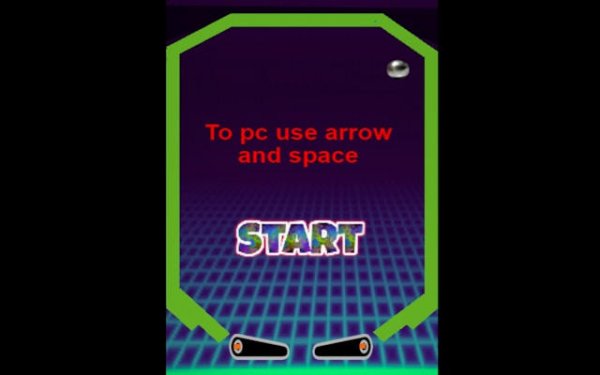
Quick Strike Pinball Arena strips pinball down to one urgent task. Instead of chasing a high score across multiple balls, you launch a ball into a colorful arena and hunt a moving red target ball. The countdown never stops, so every bounce either closes the gap or burns time. The result is a focused challenge where locating the target quickly matters as much as aiming well. Each session is self-contained, which makes repeated attempts easy to justify.
Flippers, Bumpers, and Blast Hazards
You control the flippers to keep the ball alive and steer it toward the red target. Bumpers and walls are not just obstacles; they are tools for redirecting a shot when a direct line is blocked. Random blast hazards appear on the playfield and can knock the ball off its intended path, so you cannot rely on a memorized route. The physics feel responsive, giving you enough control to plan bank shots and react when a hazard interrupts them.
Why Runs Stay Unpredictable
The hazard system changes the playfield from attempt to attempt, which prevents each run from becoming a fixed sequence. Because the core goal never changes, the variety comes from how hazards force you to adjust mid-shot rather than from new rules. That design keeps the game approachable while still rewarding players who stay calm and read the ball's movement. Short sessions and a clear objective make it suited to quick, skill-based play rather than long campaigns.
Approaching the Target
Start tracking the red target as soon as the ball launches, not after the first bounce. Use bumpers and walls deliberately to angle shots rather than hitting the ball blindly. When a blast hazard appears, adjust your flipper timing instead of forcing the original shot. Replaying levels teaches the ball's behavior and helps you shave seconds off your completion time.
Compatibility
▸ Desktop: Chrome / Edge / Firefox / Safari
▸ Mobile: iOS Safari / Android Chrome
▸ Tablet: iPadOS Safari / Android Tablet Browser
Keep your browser updated for the best experience
 VividPlay Arcade








Editorial Notes