 VividPlay Arcade
VividPlay Arcade
VividPlay Arcade
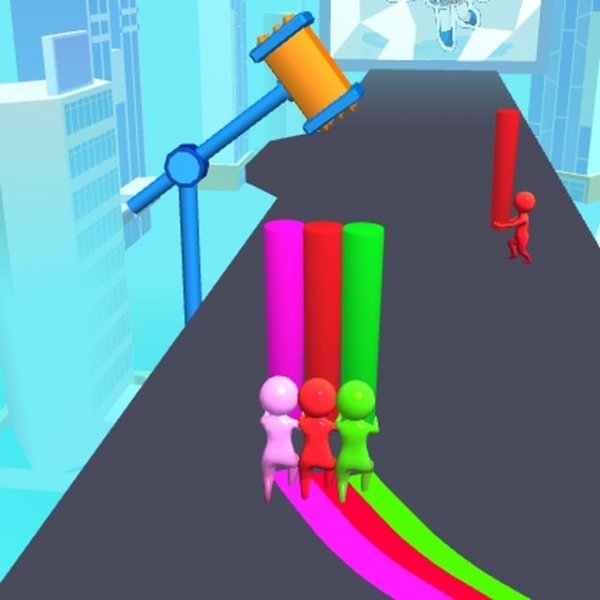
Art Dash: Color Collection works because it gives the running a concrete purpose: every pencil you grab changes the painting you make at the end. The obstacle-and-booster loop adds light risk without demanding precise timing, and the simple tap controls suit the stated age range. Stages vary in layout, which helps repeated attempts feel different. The main limitation is that the game offers no described multiplayer or competitive mode, so its appeal rests on solo collection and the painting reward.
Art Dash: Color Collection turns the usual endless-runner formula into a collecting task with a visible payoff. You control a character who moves forward automatically along a track. Your job is to steer left and right to reach other characters who are holding pencils in different colors. Each pencil you touch joins your set, and that set directly determines how rich and detailed the final painting will be when you reach the end of the stage. The running is not just about survival—it is about gathering enough colors to make something worth looking at.
Tracks are not empty. Obstacles appear along the route, and hitting one can slow you down or stop your progress entirely. Because pencils are often placed near or past these hazards, you have to decide whether a risky detour is worth the color it offers. Boosters such as shields can appear during a run and provide temporary protection, letting you pass through a dangerous section without losing momentum. Knowing when to grab a shield and when to save it for a tighter spot is a small but real decision that shapes each attempt.
Reaching the finish line does not end the stage. Once you arrive, you tap or click to turn your collected pencils into a painting. The more pencils you gathered, the more complete and colorful that painting becomes. This closing activity gives the run a clear reward and makes each stage feel like it produced something, not just a score. It also explains why collecting is the main goal rather than simply finishing fast.
The game is built for ages 3 and up. Controls are limited to simple taps or clicks for starting, steering, and painting. Stages have unique layouts, so the obstacle patterns and pencil placements change from one course to the next. That variety keeps the running from feeling identical each time, while the simple input scheme means younger players can participate without reading complex instructions. The combination of quick steering and a calm painting activity at the end gives each stage a clear beginning and a satisfying close.
Sign in to comment
You must be logged in before posting a review or rating.
No comments yet. Be the first to comment!








Editorial Notes