 VividPlay Arcade
VividPlay Arcade
VividPlay Arcade
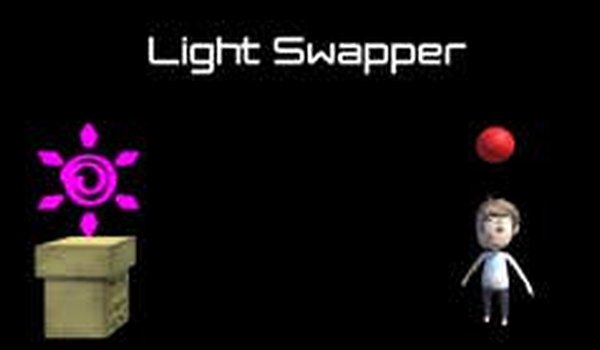
Light Swapper stands out from standard 2D puzzle games through its isometric perspective and a color-swap mechanic that adds a second layer of planning. The controls are intentionally simple, using keyboard movement and a single swap key, so difficulty comes from puzzle design rather than input complexity. Later levels introduce more complex laser, mirror, and target arrangements. The colorful, non-violent presentation suits players of all ages who enjoy logic problems. The main limitation is that the source material does not describe additional modes, story, or online features.
Light Swapper builds its challenges around two interacting systems: mirror placement and laser color. Players move a character through isometric levels and rearrange mirrors so that beams reflect toward matching targets. The twist is that some lasers cannot hit their intended target directly. When a beam touches the player character, pressing a designated key swaps the laser's color, allowing it to activate a different target. This means every puzzle asks two questions at once: where should the mirror go, and when should the beam change hue?
Each level is a self-contained puzzle. Completing one opens a gate to the next stage. Later levels introduce more complex configurations of lasers, mirrors, and targets, so the difficulty rises gradually. Because every stage resets independently, players can experiment freely. A reset option restarts the current level, and a pause function is available for convenience.
Movement uses standard keyboard inputs such as arrow keys or WASD. The color swap is bound to a single key, often the Spacebar. This keeps the input scheme simple and responsive, so attention stays on the puzzle rather than on mastering complicated controls. The isometric perspective adds a distinct visual angle to each layout, encouraging careful observation before making moves.
The game features colorful, family-friendly graphics with no violent or mature content. That makes it suitable for players of all ages, including younger puzzlers and adults who enjoy logic problems. The focus stays on planning, experimentation, and creative thinking rather than reflexes or twitch timing.
Sign in to comment
You must be logged in before posting a review or rating.
No comments yet. Be the first to comment!







Editorial Notes