 VividPlay Arcade
VividPlay Arcade
VividPlay Arcade
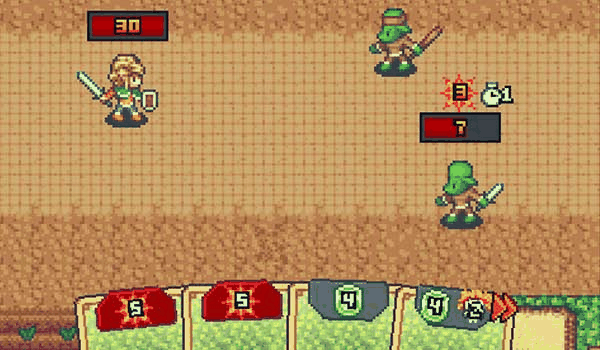
Numerical Tactics Card Quest stands out by turning basic math into a genuinely engaging strategic tool. The creature encounters are well-designed, each requiring a different numerical approach, which keeps the gameplay fresh. The visual style is inviting, and the lack of time pressure makes it ideal for relaxed play. While the core mechanic is simple, the progressive difficulty ensures that both children and adults will find satisfying challenges. It is a rare example of an educational game that feels like a real game first.
At its heart, Numerical Tactics Card Quest uses arithmetic as a core mechanic. Each card in a player's deck represents a numerical value or operation, such as addition, subtraction, or multiplication. During a turn, players select cards to manipulate a shared energy pool or to directly affect the creatures they face. For example, a card might add a certain number of points to an attack, while another might subtract from an opponent's next move. This system turns basic math into a strategic resource, requiring players to calculate outcomes and plan several moves ahead. The game avoids complex formulas, making it accessible to younger players while still offering depth for adults.
The creatures in Numerical Tactics Card Quest are not aggressive monsters but playful tricksters that respond to the player's numerical choices. Each creature has a specific pattern of behavior, often tied to a number or a simple mathematical condition. For instance, a creature might only be vulnerable when the player's energy total equals a certain value. This design encourages observation and pattern recognition rather than fast reflexes. As players progress, they encounter creatures with increasingly layered conditions, requiring them to combine multiple cards in a single turn. This gradual increase in complexity keeps the gameplay engaging without becoming frustrating.
The visual style of Numerical Tactics Card Quest is bright and cheerful, with a cartoon-like aesthetic that appeals to a wide age range. Cards are illustrated with clear, colorful icons and numbers, making them easy to read at a glance. The background environments shift as players advance, moving from sunny meadows to mysterious forests, each with its own color palette and subtle animations. Sound effects are minimal but supportive, providing gentle audio cues for card plays and creature reactions. This design choice helps maintain a calm, focused atmosphere, allowing players to concentrate on their strategic decisions without distraction.
Progression in Numerical Tactics Card Quest is tied to the player's ability to adapt their deck to new challenges. After each successful encounter, players may unlock new cards that introduce additional operations or higher values. This system encourages experimentation with different card combinations. The game does not have a strict linear path; instead, players can choose which creatures to face next, allowing for a degree of control over difficulty. This structure supports replayability, as players can revisit earlier encounters with a stronger deck to test alternative strategies. The absence of time pressure means that each session can be as long or as short as the player prefers.
Numerical Tactics Card Quest is designed to be inclusive for players of different ages and skill levels. The interface uses large, clearly labeled buttons and drag-and-drop card selection, making it easy for younger children to play independently. There are no in-game purchases or advertisements, ensuring a safe, uninterrupted experience. The game also includes a tutorial that explains each card type and creature behavior without overwhelming the player. This focus on accessibility means that parents can play alongside their children, using the game as a tool to practice basic arithmetic in a fun, low-pressure context.









Player Comments
Sign in to comment
You must be logged in before posting a review or rating.
No account? Create one
No comments yet. Be the first to comment!