 VividPlay Arcade
VividPlay Arcade
VividPlay Arcade

Fashion Dress Up Studio succeeds by removing the usual friction from dress-up games: no locked items, no timers, no scores, and no in-app purchases. The full wardrobe is available immediately, so the experience is about combining clothing, accessories, hairstyles, and makeup rather than earning access. Its simple tap-based interface and child-friendly design make it easy to start, while saving and revisiting outfits supports longer creative projects. The main limitation is the absence of goals or progression, which may not appeal to players who want objectives. It is best suited to younger players and anyone seeking a relaxed, self-directed styling tool.
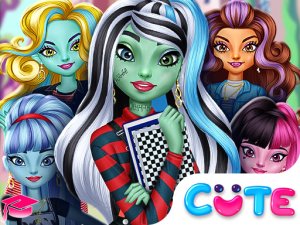
Fashion Dress Up Studio is built around one activity: choosing a character and layering clothing, accessories, and makeup until the outfit feels right. The wardrobe covers dresses, tops, skirts, shoes, jewelry, and bags, along with hats and glasses. Because every item is available immediately, the game never asks you to unlock a category or wait for a reward. That structure shifts the focus from earning to deciding, and the only real constraint is how you combine what is already on screen.
After picking a base outfit, you can adjust hairstyle and hair color, then finish the face with lipstick and eyeshadow. These options work together rather than as separate steps, so changing a hairstyle can make you reconsider the whole look. The interface keeps categories visible and uses tapping to apply items, which means the gap between an idea and seeing it on the character stays short. Facial feature customization is also available, giving you a reason to return to the same character and refine it over multiple sessions.
There are no timers, scores, or fail states. A session can last as long as you want, and you can save a creation and come back to it later. That makes the game suitable for younger players and for anyone who prefers styling over competition. The child-friendly layout avoids dense menus, and the absence of in-app purchases removes the usual pressure to spend. Progress is personal rather than ranked: what counts as a finished outfit is entirely your call.
Start by exploring every category before committing to a direction, since all items are open from the beginning. Mixing unexpected colors or patterns often produces a stronger result than matching pieces from the same set. Use makeup and hairstyle changes as the final step, because they can shift the mood of an outfit more than a single clothing swap. Saving and revisiting creations lets you compare ideas without losing earlier work, which is useful when you are deciding between two versions of the same look.
Sign in to comment
You must be logged in before posting a review or rating.
No comments yet. Be the first to comment!







Editorial Notes