From Gym Class to Opening Night
School Day Fashion & Story Game opens with a practical choice: select Zoe's sports clothes for physical education. This first outfit decision sets the tone for a day that moves from everyday school routines into a creative theater project. The transition matters because it frames the game as a slice of school life rather than a single activity. Players who enjoy character-driven dress-up will recognize the rhythm immediately.
Costuming Zoe and Kris as Romeo and Juliet
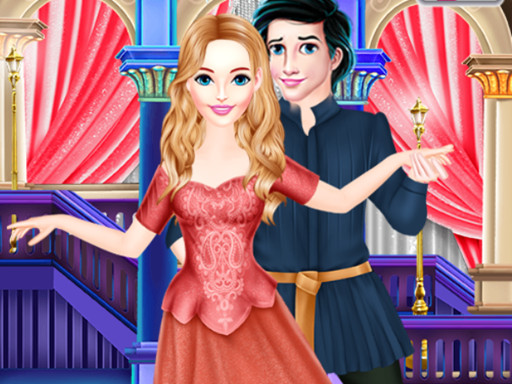
Once the sports segment ends, the focus shifts to the stage. Zoe and her friend Kris prepare to perform scenes from Romeo and Juliet, and players choose costumes for both characters. The dress-up system supports this shift by offering theater-appropriate outfits rather than the sports wear used earlier. Deciding how each character looks becomes part of the storytelling, not a separate task.
Stage Decoration and Scene Setup
Costumes alone do not complete the performance. Players decorate the stage with backgrounds and props, which changes how each scene reads visually. Because the game provides multiple backgrounds and prop options, the same scene can look different depending on what you place. This setup step gives players a reason to experiment before the acting prompts begin.
Interactive Story Prompts and Replay Value
During the performance, on-screen prompts guide players through scenes from the play. The choices made at these moments can influence how the story unfolds, which means a second run through the theater segment may produce different outcomes. Replayability comes from trying alternative scene setups and story choices rather than from unlockable content. The controls stay simple throughout, so the focus remains on creative decisions instead of mechanical skill.
Compatibility
▸ Desktop: Chrome / Edge / Firefox / Safari
▸ Mobile: iOS Safari / Android Chrome
▸ Tablet: iPadOS Safari / Android Tablet Browser
Keep your browser updated for the best experience
 VividPlay Arcade







Editorial Notes