 VividPlay Arcade
VividPlay Arcade
VividPlay Arcade
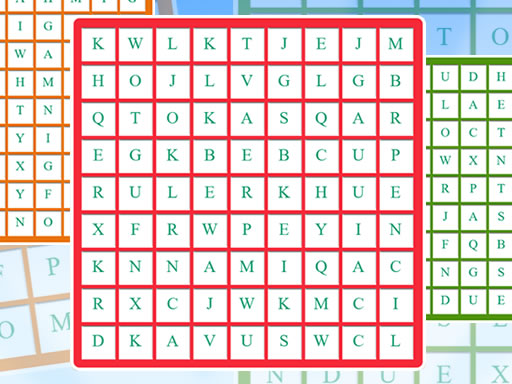
Animal Word Search Puzzle delivers exactly what its name suggests: finding hidden animal names in letter grids. Its strengths are accessibility and a gentle difficulty curve, with land and underwater themes adding variety. The lack of timers or penalties keeps it relaxed. It suits younger players and casual puzzlers, though experienced word search fans may find the challenge limited.
The core task in Animal Word Search Puzzle is straightforward: scan a grid of randomly arranged letters to locate animal names. Words may run left to right, top to bottom, or in other directions. When you spot a word, you select its letters in order by clicking or tapping. The selected letters change color to confirm the find. Each level ends once every hidden word has been identified.
Levels are grouped by environment, moving from land settings to underwater scenes. This thematic shift changes the pool of animal names you search for, so a land level might feature familiar terrestrial animals while an underwater level introduces marine species. Difficulty increases gradually across levels, though the exact number of levels is not specified. The game is designed to be both educational and entertaining, helping players improve word recognition.
Interaction is limited to clicking or tapping letters in sequence. There are no timers, penalties, or complex menus described. This makes the game easy to learn and suitable for players of all skill levels. The family-friendly design contains no inappropriate content, and the colorful visuals aim to appeal to a broad age range.
Systematic scanning helps. Try reading left to right, then top to bottom, then check diagonals if the game supports them. Common letter patterns in animal names, such as double letters or frequent endings, can narrow your search. Less common letters like Z or X often stand out and may anchor a word. Regular play can improve recognition speed and overall puzzle-solving skills.
Sign in to comment
You must be logged in before posting a review or rating.
No comments yet. Be the first to comment!








Editorial Notes