 VividPlay Arcade
VividPlay Arcade
VividPlay Arcade
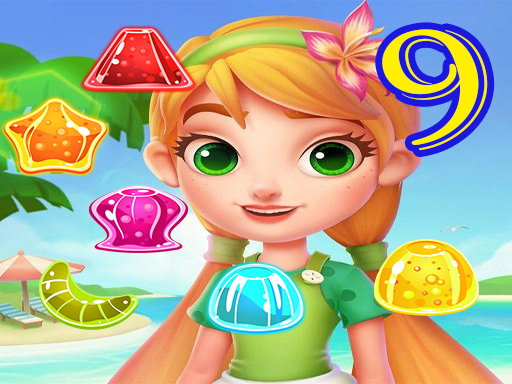
Jelly Fruit Match 3 Puzzle sticks to the strengths of the match-3 genre: simple tap-and-swap controls, clear goals, and satisfying chain reactions. Its distinguishing feature is the decoration system, which turns level completion into visible personal progress. The lack of timers makes it welcoming for players who prefer planning over speed. The main limitation is that the input does not detail level count, decoration variety, or platform availability, so those remain open questions. It is best suited to casual players and families seeking a low-pressure puzzle.
Jelly Fruit Match 3 Puzzle centers on a familiar but polished loop: swap two adjacent jellies to form a row or column of three or more identical pieces. A successful match clears those jellies and adds points to your score. The controls are simple tap-and-swap, so new players can start immediately without a tutorial. The board fills with colorful jellies and juicy fruits, and the goal is to keep matching until you meet the level's objective.
Not every level asks for the same thing. Some levels set a target score, while others require you to clear specific jellies from the board. Power-ups and special jellies appear as you play, letting you clear larger groups at once. Using these wisely can turn a tough board into a manageable one. Because there are no timers, you can study the board, plan a few moves ahead, and experiment with different match patterns without pressure.
Completing levels unlocks decorations you can use to customize a personal dream world. This decoration theme runs alongside the matching puzzles, giving each cleared board a visible reward beyond points. The combination of match-3 mechanics and creative decoration means progress feels both practical and personal. Bright graphics and a cheerful tone keep the experience light, and the content stays family-friendly throughout.
The absence of timers shapes how the game feels. You can take as long as you like to consider a move, which makes Jelly Fruit Match 3 Puzzle suitable for short breaks or longer sessions. The difficulty comes from board layout and level goals rather than time pressure. That design choice makes the game approachable for younger players, older players, or anyone who wants a calm puzzle without competition.
Sign in to comment
You must be logged in before posting a review or rating.
No comments yet. Be the first to comment!








Editorial Notes