 VividPlay Arcade
VividPlay Arcade
VividPlay Arcade
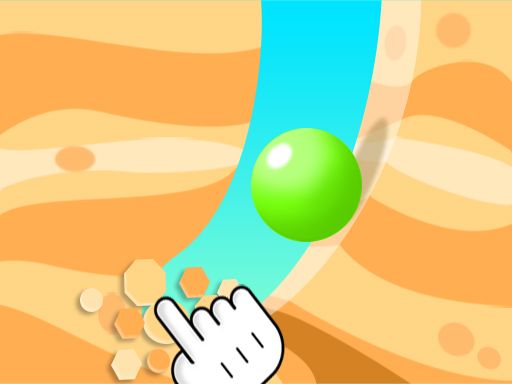
Path Builder Logic Puzzle focuses on one clean idea: draw a route and let the ball follow it. Rocks, gaps, and moving barriers create variety without complicating the controls. The gradual difficulty curve and unlimited restarts make it welcoming for casual players and younger audiences, though anyone seeking fast action or complex mechanics will find the pace deliberately slow. Replay value comes from finding more efficient routes rather than new content.
Your only direct action is drawing a continuous line from the ball to the tunnel. The ball follows that line automatically, so the challenge is not timing or reflexes but anticipating how the ball will travel across the screen. A route that looks clear can still fail if it passes too close to a rock or crosses a gap.
Rocks, gaps, and moving barriers appear in different arrangements. Rocks are fixed, gaps remove the surface the ball needs, and moving barriers shift position over time. Because barriers are not static, a path that works at one moment may not work a few seconds later. That single detail turns many levels into a timing and sequencing problem rather than a pure drawing task.
Careful observation pays off. Scanning the layout first lets you identify which obstacles are stationary and which ones move, and whether the ball needs a longer, safer route or a shorter one with tighter margins. Restarting is quick and painless, so testing a route and adjusting it is part of the normal rhythm. Hints are available when a level stalls your progress.
Difficulty climbs gradually. Early levels introduce one obstacle type at a time, while later layouts combine them and demand more precise path placement. Replaying a solved level is encouraged to find a more efficient route, which gives the game a light optimization layer beyond simply finishing. The colorful presentation and simple mouse or touch controls keep the experience approachable for younger players and adults alike.
Sign in to comment
You must be logged in before posting a review or rating.
No comments yet. Be the first to comment!










Editorial Notes