 VividPlay Arcade
VividPlay Arcade
VividPlay Arcade

Horde Defenders Survival keeps its scope tight: defend one truck, aim, auto-fire, and reinvest currency into soldiers, merges, and shop upgrades. The blend of idle progress and active aiming gives it more staying power than a pure clicker, and the rising difficulty prevents idle gains from trivializing runs. It suits players who want a low-friction arcade defense game on mobile or tablet. The main limitation is variety—the core loop is narrow, so depth depends on how much you enjoy optimizing upgrade paths.
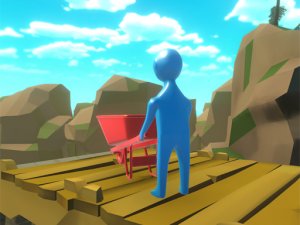
Your job in Horde Defenders Survival is straightforward: keep an armored truck intact while waves of attackers close in. The game is built around a single defended point, so every decision you make feeds back into how long that truck stays standing. Aiming is the active part; auto-fire handles the shooting, which means your attention goes toward target priority and upgrade timing rather than tapping to fire.
On desktop you click to aim; on mobile or tablet you tap. Because auto-fire is always running, the real skill is reading which direction the pressure is coming from and adjusting your aim before the crowd gets too close. Each defeated attacker adds to your in-game currency, which you then spend in the shop. That loop—defeat, earn, spend, repeat—is the heartbeat of every session.
The shop is where runs change shape. You can buy soldiers, merge two units into a stronger one, raise shooting speed, or increase income per defeat. Merging is the standout mechanic: it turns a growing pile of weak units into fewer, more capable ones that can handle larger groups. Balancing immediate firepower against long-term income boosts is the central strategic choice, and it becomes more pressing as the difficulty climbs.
Horde Defenders Survival mixes idle progression with hands-on play. Progress continues while you are away, so returning players usually have currency waiting to be invested. At the same time, the challenge scales—larger and more persistent groups appear over time—so idle gains alone will not carry a run. The 3D visuals and hypercasual structure keep sessions short, which suits mobile and tablet play. The result is a game that rewards both quick check-ins and focused upgrade sessions.
Sign in to comment
You must be logged in before posting a review or rating.
No comments yet. Be the first to comment!









Editorial Notes